CTCM
English Dharma Class

Find clarity and peace

Where Zen Buddhism
Meets Daily Life

At its heart, Zen is not a philosophy to be studied, but a practice to be lived. Derived from the Sanskirt word dhyana, simply meaning meditation, Zen Buddhism focuses on one thing: awakening in the present moment.

Through meditative stillness and deep contemplation, we learn to recognize the intrinsic awareness that resides within all sentient beings.
Yet, awakening to this awareness is only the beginning. With clarity and compassion, a Zen practitioner walks the bodhisattva path, dedicating their lives to the benefit of all beings.


In this free, beginner-friendly course, we combine the teachings of Zen with bodhisattva practice to explore the practical tools Buddhism offers for clarity, peace, and compassion.

  • Basics of Zen meditation
  • Zen koan practice
  • Benefitting others through bodhisattva practice
  • Mindfulness in everyday life
Taipei English Class
01

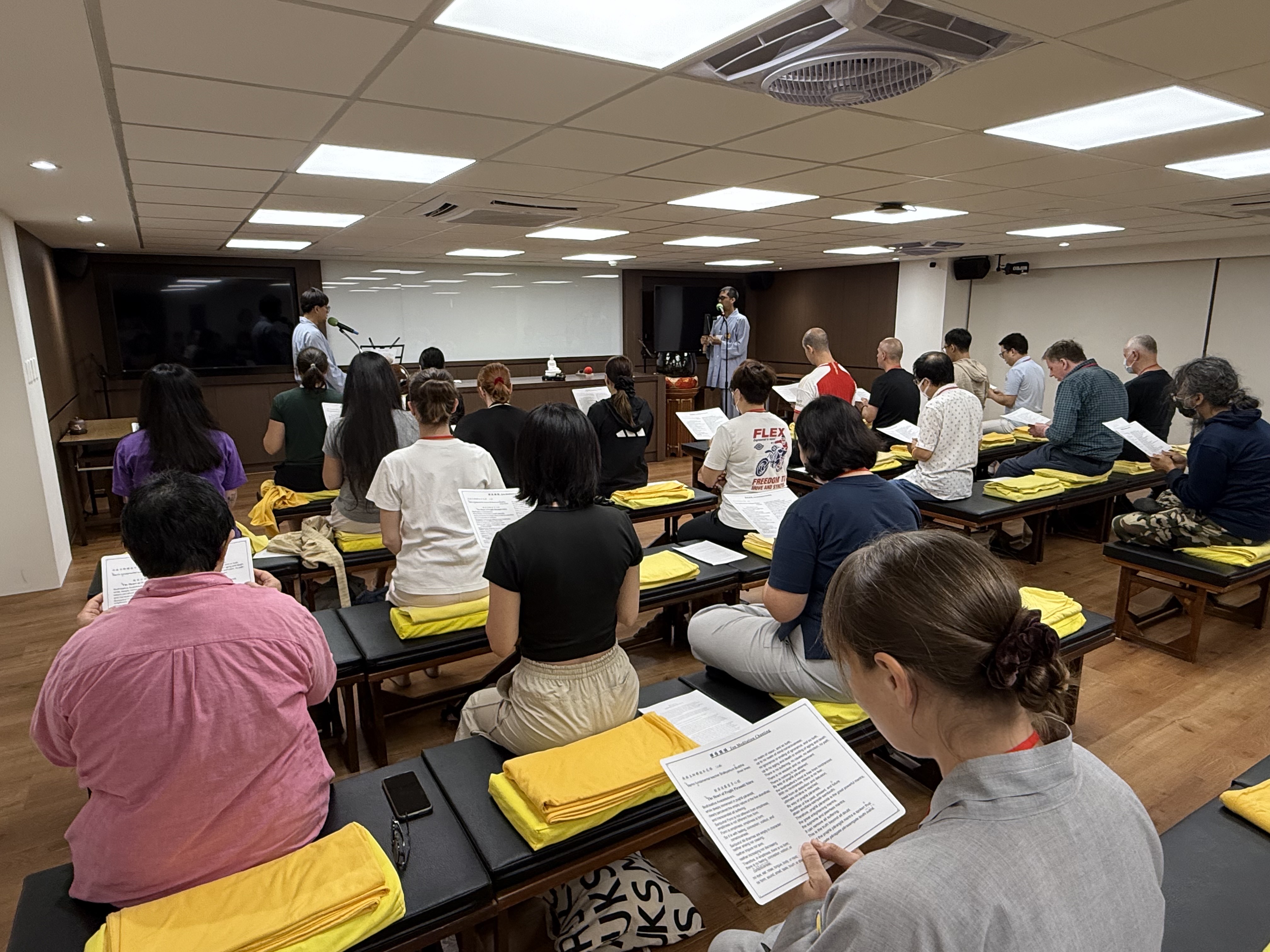
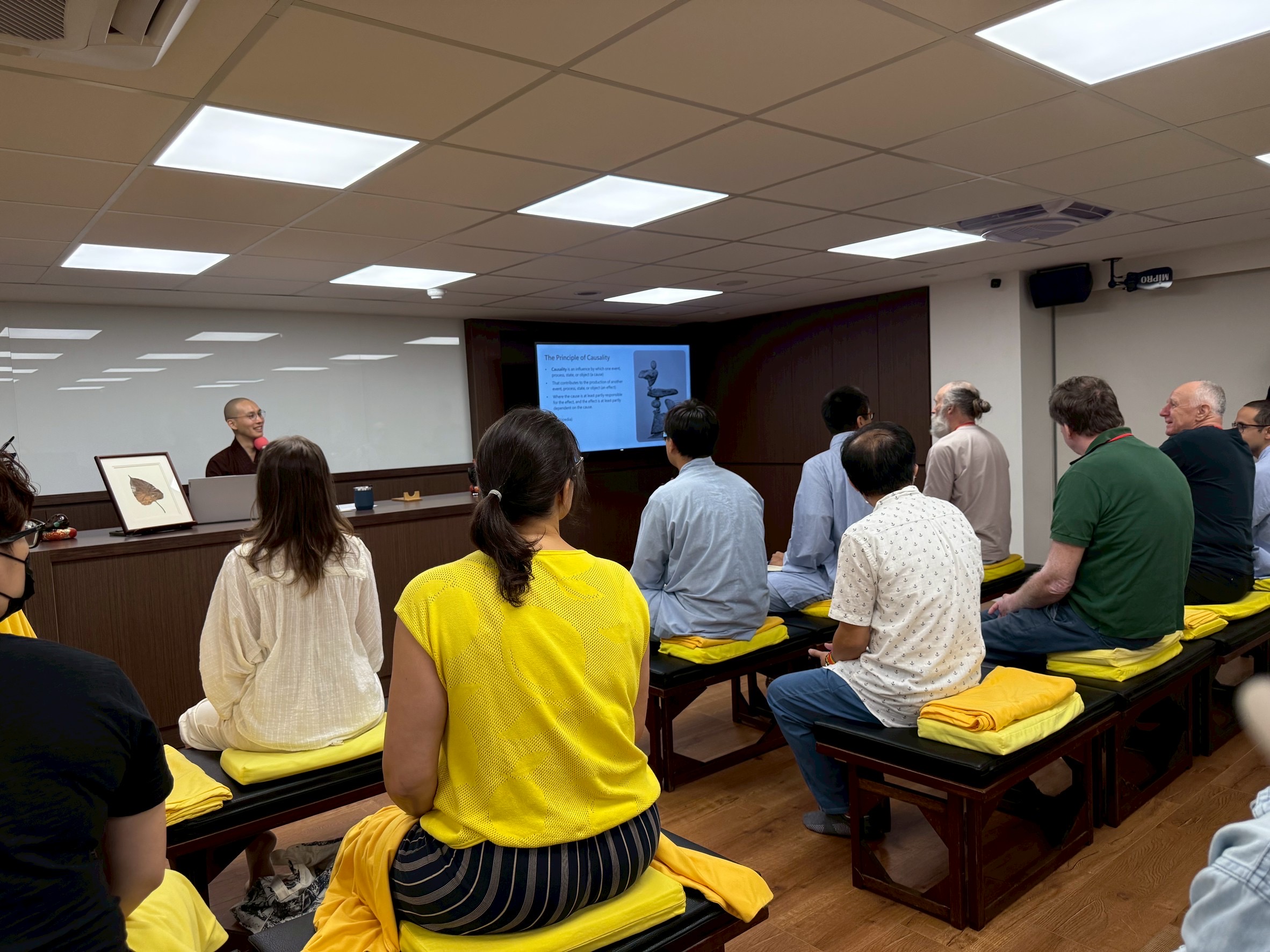
2026 English Dharma Class in Taipei
Meditation Experience

Where: Pu Rong Meditation Center No. 233, Dexing E. Rd., Shilin Dist., Taipei City
When: Every other Sunday from April 19th, 2026 2:00 – 4:00 pm

Register Now
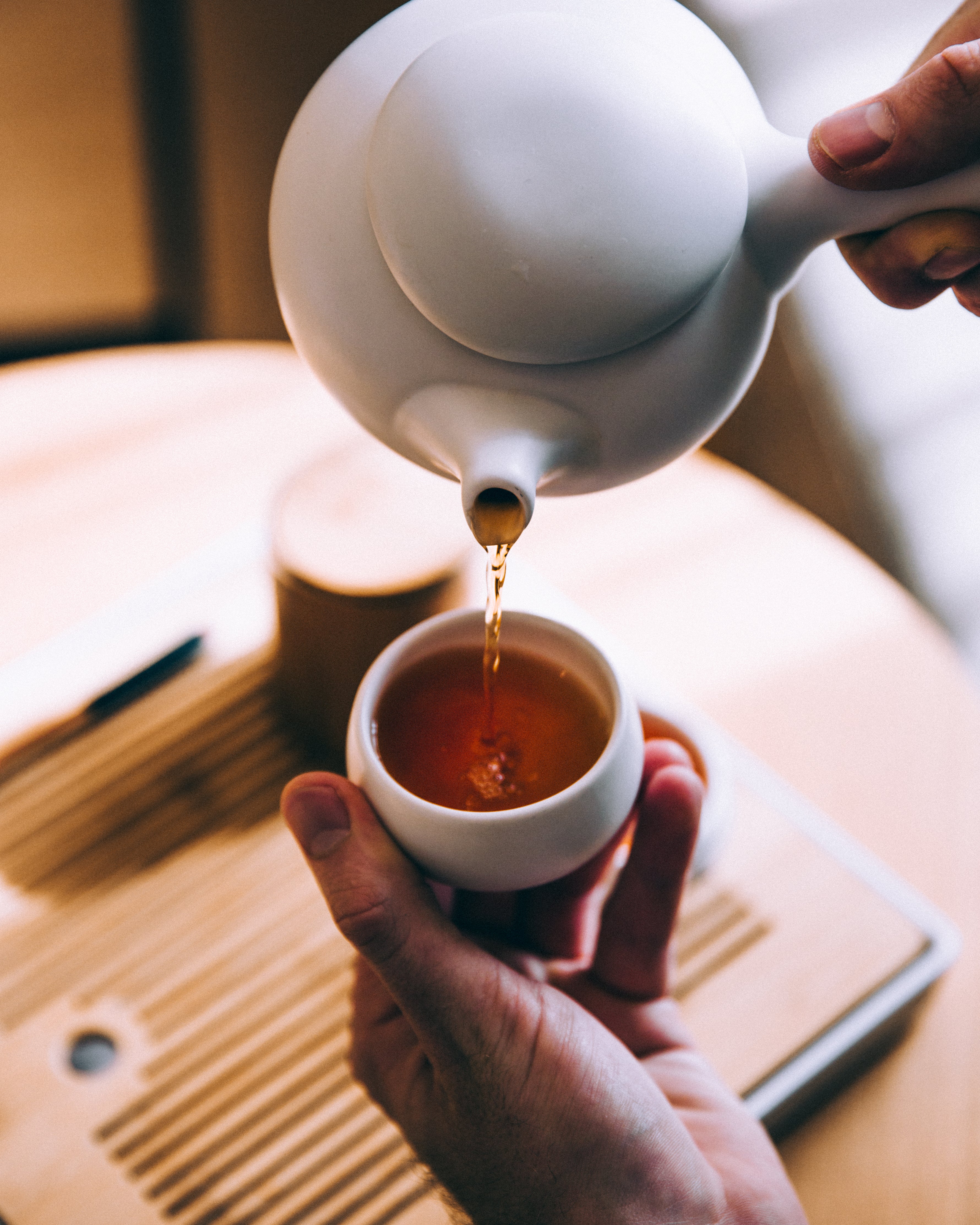
Zen Tea Ceremony
02

Zen Tea Ceremony & Monastery Tour
Step out of the rush of daily life.

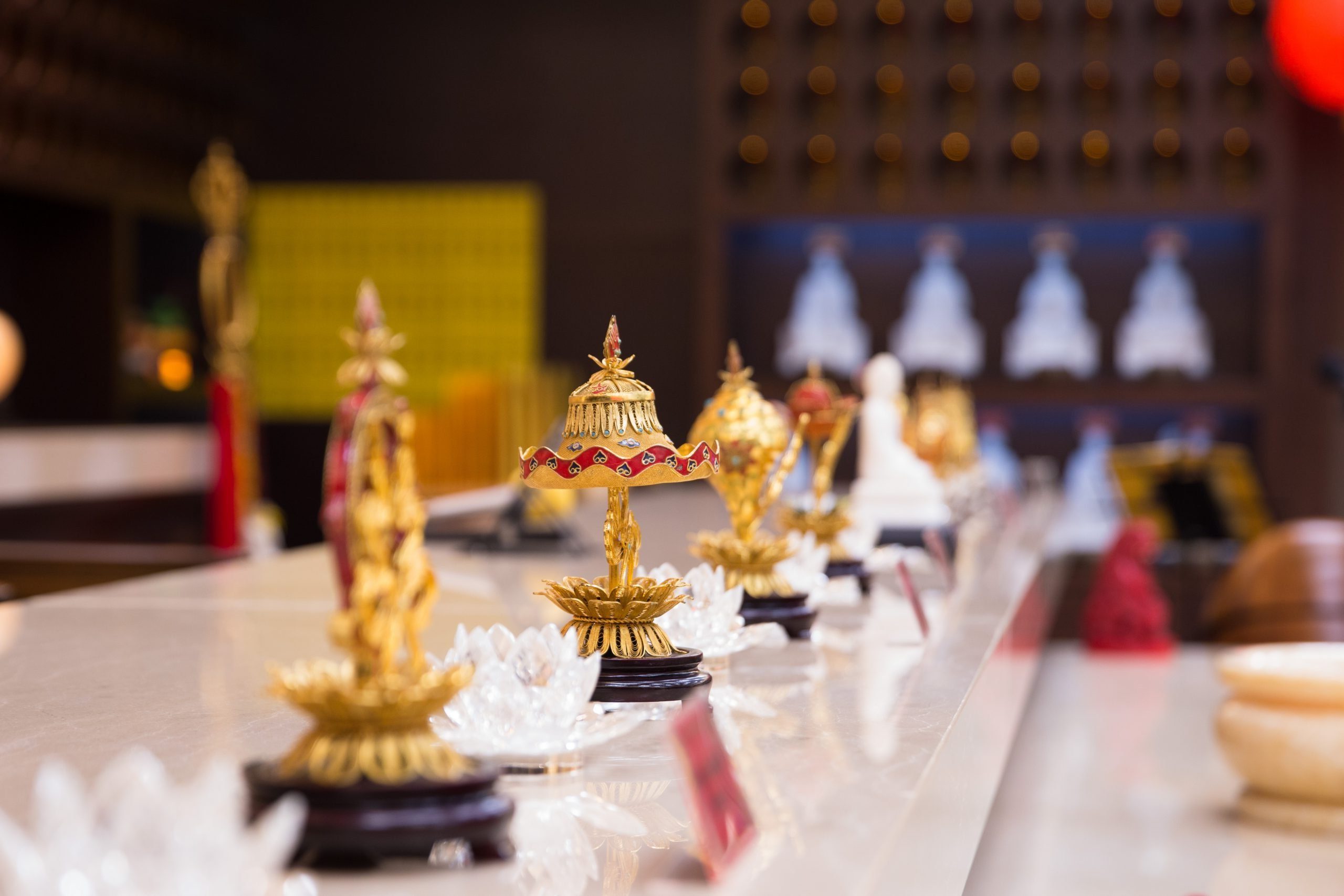
At Pu Rong Meditation Center, step out of the rush of daily life and into a sanctuary of mindfulness. We invite you to experience the harmony of Zen tea and Buddhist culture with a guided tour of our center.

Register Now
Visit CTCM
03

A Zen Inspired Journey
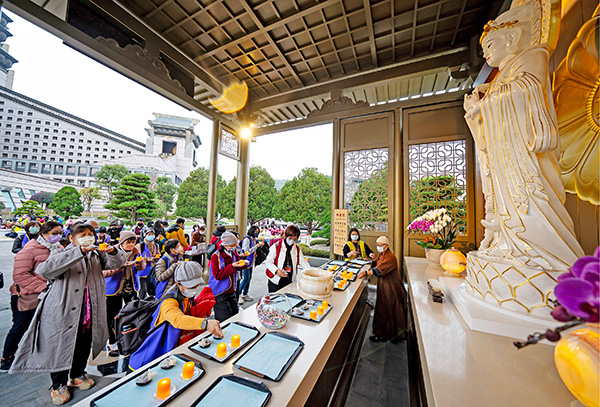
Immerse in a day at Chung Tai Chan Monastery

Join us on March 1, 2026 to explore one of the world's finest temples, experience Buddhist Zen practive, and discover inner peace together.

Register Now

About Us

The legacy of Chung Tai Chung Monastery began in 1987 at Linquan Monastery, where Grand Master Weichueh’s profound teachings sparked a revitalization of Chan (Zen) Buddhism in Taiwan. As his following grew, the modest mountain retreat could no longer hold the many seekers drawn to his wisdom and composure.

Frequently
Asked
Questions

Are your classes free?
Yes! The classes are free to attend.
What is the difference between Zen and other forms of Buddhism?
As Buddhism took root in ancient China, it gradually developed into several distinct schools, each with its own style of practice and emphasis. Among these, the Chan School, better known in the West by its Japanese name, Zen, became especially influential. Chan is known for its direct approach to awakening and its profound impact on Buddhist philosophy, culture, and daily life.

At the heart of Chan Buddhism is the teaching that every sentient being possesses buddha nature, a pure, unobstructed awareness that underlies all experience. Directly realizing this nature is called sudden enlightenment or awakening. From the Chan perspective, awakening is not something gained from outside, but the recognition that one’s own mind is no different from the Buddha’s mind. Because of this, Chan teaches that liberation is possible in this very life, and that the path lies within each person.
I belong to another faith tradition, can I join the meditation class?
Yes, absolutely. You are welcome to join a meditation class or attend a Buddhist service even if you are Christian, Muslim, or from another faith tradition.

Buddhism does not require anyone to convert or give up their own beliefs in order to participate. You don’t need to “become Buddhist” to learn from its practices. Many people from different backgrounds find that Buddhist methods, like meditation, mindfulness, and ethical living, deepen their own spiritual understanding and help them live with greater peace and compassion.
How is Buddhist meditation different from other forms of meditation?
Buddhist meditation differs from other forms of meditation mainly in its purpose, methods, and underlying philosophy. In Buddhism, the ultimate goal of meditation is liberation from suffering. It is seen as the foundation for developing true wisdom and insight. Through steady practice, the mind gradually becomes calm and still. From this stillness, clarity and deep understanding naturally arise. Practitioners learn to see reality as it truly is, awaken to their inherent pure mind, and move toward freedom from suffering.

Questions? Ask us!

Contact Us
Close

About Us

Chung Tai Chan Monastery

The legacy of Chung Tai Chung Monastery began in 1987 at Linquan Monastery, where Grand Master Weichueh’s profound teachings sparked a revitalization of Chan (Zen) Buddhism in Taiwan. As his following grew, the modest mountain retreat could no longer hold the many seekers drawn to his wisdom and composure.

Driven by a compassionate vow to provide a sanctuary for all, the Grand Master envisioned a landmark center for the Dharma. After a decade of planning and construction, Chung Tai Chan Monastery opened on September 1, 2001. Today, it stands as a testament to the devotion of its followers and a beacon for the modern propagation of Buddhism. Visit CTCM Website
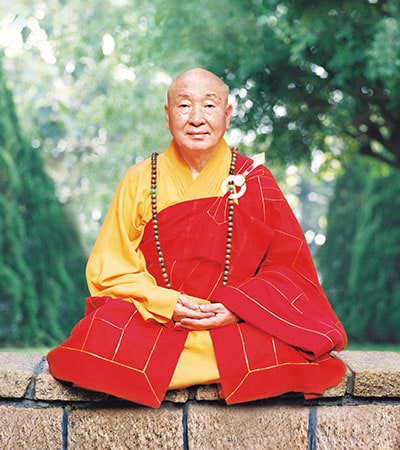
Grand Master Weichueh

Grand Master Weichueh

Founding Abbot

Pu Rong Meditation Center belongs to the Dharma lineage of Grand Master Weichueh. Guided by the "Three Links of Cultivation", integrating meritorious service, scripture study, and meditation, Grand Master Weichueh expanded the reach of the Dharma through sangha, social, and school education. Whether in the silence of retreat or the active turning of the Dharma wheel, he embodied the Buddhist teachings in every moment, leading his disciples along the bodhisattva path. By living his motto: “When in stillness, rest all thoughts; when in action, perfect all actions,” the Grand Master stands as an exemplary model of cultivation for all.
Grand Master Weichueh

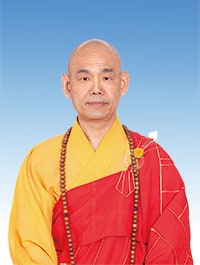
Venerable Abbot Jianying

Abbot of Chung Tai Chan Monastery

Venerable Master Jianying, Abbot of Chung Tai Chan Monastery, uniquely bridges rigorous academic scholarship with deep spiritual realization. After earning a Ph.D. in Electrical Engineering from Ohio State University, he was ordained in 1998 by the Founding Abbot, Grand Master Weichueh. To further his mission of spreading the Dharma globally, he pursued advanced studies in Sanskrit at UC Berkeley and earned a second Ph.D. in Religious Studies from Rice University. Today, as Abbot, he upholds the Grand Master’s legacy by integrating the mind teaching of the patriarchs with daily bodhisattva practice. Guided by the Grand Master’s example, he leads the sangha in preserving the tradition, deepening spiritual cultivation, and sharing the wisdom of Chan with the modern world.